
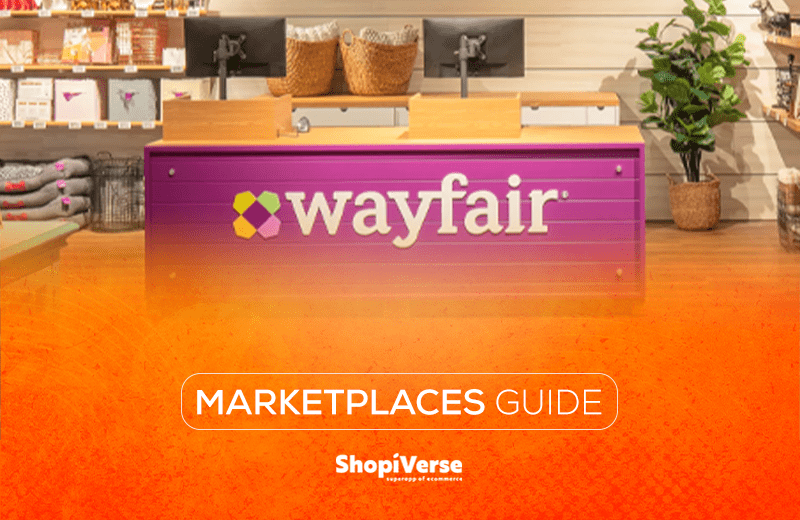
| Founded | August 2022 |
| Founder | Niraj Shah & Steve Conine |
| Headquarters | Boston, Massachusetts, United States |
| Area Served (Orders) | Canada, Germany, United Kingdom, United States |
| Revenue |
USD 14.145 Million (2020) |
| Number of Active Customers | 31.19 Million (2020) |
| Website | www.wayfair.com |
| Setup Cost | None |
| Commission | None |
| Other Costs | None |
| Payment | Wayfair pays their partners the wholesale cost of their items, and sets their own retail prices |
| Product Categories |
furniture, decoration, housewares, garden & other home goods |
| Input Language | English |
| Input Currency | Depends on the Country |
| Content Creation | No |
Company’s Mission and Vision
The specific mission and vision statements of Wayfair were not directly provided in the sources I accessed. However, Wayfair’s business model and approach indicate a focus on making a vast selection of home goods easily accessible to consumers through their online platform.
Main Markets and Target Audience:
- Primary Market: Wayfair initially targeted the U.S. market but has expanded internationally over the years.
- Target Audience: Wayfair caters to a wide range of customers looking for home furnishings, décor, home improvement, housewares, and more. This includes both individual consumers and institutional clients (such as businesses and government organizations).
- Expansion and Growth: The company has experienced significant growth and expansion since its inception, moving from a small online retailer to one of the largest online-only retailers for home furniture in the United States as of January 2014 . Wayfair has also opened physical retail stores for its specialty retail brands, such as AllModern.
Notable Developments and Achievements:
- Wayfair.com was launched in 2011, consolidating most of its niche websites into one platform.
- By 2014, Wayfair had achieved $1B in direct sales and went public on the NYSE.
- The company made it to the Fortune 500 list in 2019.
- Wayfair has made significant contributions to community and charitable causes, as evidenced by their donations and support for various nonprofits.
Account Opening
Required Information and Documents
To sell on Wayfair, you typically need the following:
- Business Registration Number: For legal business verification.
- Product Catalog: Including product content and media.
- Compliance with Supplier Code of Conduct: Ensuring ethical business practices.
- Insurance Documents: Required for certain categories or types of products.
- Banking and Financial Information: For payment processing.
- Legal Business Information: Additional details may be required based on the seller’s location and the nature of the products.
- Supported Types of Companies
- Account Approval Process and Duration
Warnings/Notes
Common Errors and Solutions:
- Product Listing Errors: Mistakes in product listings, such as incorrect pricing, descriptions, or images, are common. Solution: Regularly review and update listings for accuracy.
- Inventory Management Issues: Over-selling or stock discrepancies can occur. Solution: Implement robust inventory management systems and keep Wayfair’s inventory updated.
- Order Fulfillment Delays: Delayed shipments can lead to customer dissatisfaction. Solution: Streamline fulfillment processes and maintain clear communication with customers.
- Data Integration Problems: Issues with data syncing between your system and Wayfair’s platform. Solution: Ensure compatibility and regularly check for integration errors.
IP Address and Other Technical Issues:
- IP Address Restrictions: Access issues due to IP address restrictions may occur. Solution: Ensure your network’s IP address is recognized and not blocked by Wayfair’s systems.
- Website Accessibility Problems: Difficulty accessing Wayfair’s seller portal. Solution: Check internet connection, browser compatibility, and clear cache/cookies.
- Data Feed Errors: Problems with product data feeds not updating correctly. Solution: Verify the format and frequency of your data feeds to Wayfair.
Security Tips and Fraud Prevention Measures:
- Secure Account Credentials: Use strong, unique passwords for your Wayfair seller account and change them regularly.
- Two-Factor Authentication: Enable two-factor authentication (if available) for an added layer of security.
- Monitor Account Activity: Regularly check your account for any unauthorized or suspicious activities.
- Secure Data Transmission: Use secure methods (like SSL/TLS encryption) for transmitting data to and from Wayfair.
- Beware of Phishing Scams: Be cautious of emails or messages requesting sensitive information, purporting to be from Wayfair.
- Educate Your Team: Make sure anyone accessing the Wayfair seller account is aware of best security practices.
- Regular Software Updates: Keep all software, especially security software, up to date to protect against vulnerabilities.
- Use Trusted Networks: Avoid using public or unsecured Wi-Fi networks for accessing your Wayfair seller account.
Marketplace Costs
Account Opening Fees: Generally, Wayfair does not charge an upfront fee to open a seller account. However, specific details may vary based on the agreement between the seller and Wayfair. It’s always advisable to directly consult Wayfair’s terms or contact their support for the most accurate information.
Commission Rates and Other Expenses:
- Commission Rates: Wayfair operates on a wholesale cost model, where sellers provide Wayfair with a wholesale price, and Wayfair sets the retail price. The commission or fee structure is typically a part of the contractual agreement between Wayfair and the seller and can vary depending on product categories, pricing, and other factors. This information is usually not publicly disclosed and requires direct consultation with Wayfair.
- Other Expenses: Additional expenses might include costs related to logistics, returns, and fulfillment services, especially if sellers opt to use Wayfair’s logistics solutions like CastleGate.
Links and Resources for Current Information:
For the most current and detailed information regarding fees, commission rates, and other expenses associated with selling on Wayfair, it is best to refer directly to the official resources provided by Wayfair. Here are some key links and resources:
- Wayfair Seller Website: (Sell with Wayfair): This is the primary resource for potential and current sellers. It provides information on how to get started, the benefits of selling on Wayfair, logistics, and promotional opportunities. It is also the go-to place for FAQs and specific seller guidance.
- Wayfair Seller Support: For specific queries related to account opening fees, commission rates, and other expenses, contacting Wayfair’s seller support directly would be the most reliable source. You can usually find contact information or a support request form on the Wayfair seller website.
- Community Forums and Seller Groups: Sometimes, existing sellers share their experiences and insights on forums or seller groups. While this information can be helpful, it should be taken as anecdotal and not as official guidance.
Logistics
Partnered Logistics Companies
- CastleGate: Wayfair offers its own logistics solution called CastleGate, which provides services like warehousing and fulfillment. This service is designed to help sellers manage inventory, reduce shipping times, and enhance the overall customer experience.
- Third-Party Logistics Providers: While specific names are not listed on these sources, Wayfair may work with various third-party logistics providers. These providers would help with transportation, warehousing, and distribution services.
VAT and Other Tax Obligations
- Responsibility of Sellers: Sellers on Wayfair are responsible for understanding and complying with their tax obligations, including VAT. This means sellers must register for VAT in the countries where they are required to do so and charge the appropriate amount of VAT on their sales.
- Wayfair’s Role: While Wayfair may provide some guidance or resources, the ultimate responsibility for tax compliance, including VAT, lies with the seller.
Country-Specific Logistics Arrangements
- International Operations: Wayfair operates in several countries, each with its own logistics arrangements. These arrangements may vary based on local regulations, delivery infrastructure, and other country-specific factors.
- Localized Fulfillment: In some regions, Wayfair may have localized fulfillment centers (like CastleGate) to streamline logistics and delivery processes. This helps in reducing delivery times and costs.
- Customs and Import Regulations: Sellers shipping products internationally must comply with the customs and import regulations of the destination country. This includes preparing the necessary documentation and understanding any import duties or restrictions.
- Guidance and Support: Wayfair likely provides guidance and support to sellers to navigate these country-specific logistics challenges, though the details of such support may vary based on the region.
For detailed and specific information, particularly about tax obligations and logistics arrangements in specific countries, it’s advisable for sellers to consult directly with Wayfair or professional legal and tax advisors. This ensures compliance with all relevant regulations and requirements in the countries where they plan to sell their products.
Warehouse Management
Local Warehouse Usage and Benefits
- CastleGate Warehousing: Wayfair offers its proprietary logistics service called CastleGate, which provides local warehouse solutions. Sellers can store their inventory in Wayfair’s warehouses located in key markets.
- Faster Delivery & Reduced Shipping Costs: By using local warehouses, sellers can ensure faster delivery to customers. This also often translates to reduced shipping costs due to the proximity to the customer.
- Improved Inventory Management: Storing products in local warehouses helps in better inventory management and quicker restocking of popular items.
- Enhanced Customer Satisfaction: Faster delivery times and the availability of products enhance customer satisfaction and can lead to better ratings and reviews on the platform.
International Warehouse Options
- Global Reach: Wayfair operates in several international markets, including the US, Canada, Germany, and the UK. This provides an opportunity for sellers to expand their reach globally.
- International Warehousing: For sellers looking to tap into international markets, Wayfair’s CastleGate service offers warehousing options in these countries. This assists in managing logistics efficiently across borders.
- Localized Operations: Having warehouses in international locations helps in understanding and catering to local market demands more effectively.
Direct Shipping Options and Conditions from Turkey
- Direct Shipping: Sellers from Turkey can ship their products directly to customers in the countries where Wayfair operates. This is particularly useful for unique products or items that are not feasible to store in local warehouses.
- Shipping Conditions: The seller is responsible for ensuring that the products meet the destination country’s standards and regulations. This includes compliance with safety, labeling, and packaging requirements.
- Customs and Duties: When shipping from Turkey, sellers need to be aware of customs regulations, duties, and taxes applicable in the destination country.
- Lead Time and Shipping Costs: Sellers should consider the lead time and shipping costs involved in direct shipping from Turkey, as these can impact pricing and customer satisfaction.
- Customer Service & Returns: Sellers are responsible for customer service and handling returns, which can be more challenging with direct international shipping.
ShopiVerse Dashboard:
- Marketplace Processes
- Product Management and Listing
- Order Management and Customer Services
- Reporting and Analysis Tools